


Introduction
In today’s digital economy, branding is no longer limited to logos, colors, or catchy taglines. It defines how a company is perceived, trusted, and remembered. With the rapid growth of social media, online reviews, and search engines, branding has transformed into a reputation-driven strategy. This is where branding, online reputation management (ORM), and experts like Ben Stace become essential. Understanding branding meaning and learning from industry leaders enables businesses to build long-term trust, value, and sustainable growth.
What is Branding?
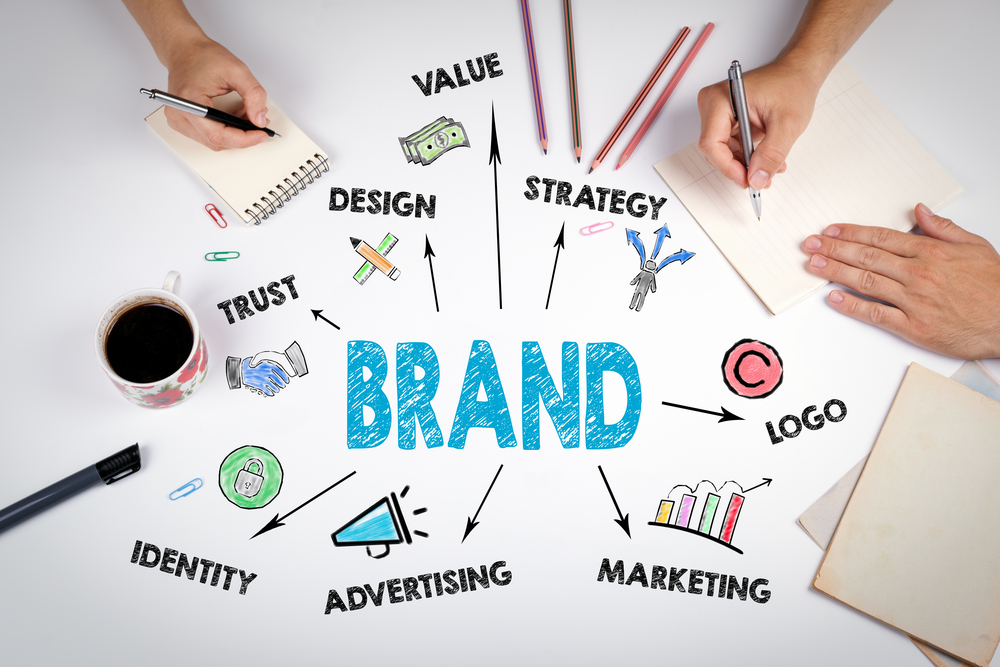
Branding is the strategic process of shaping a unique identity for a business, product, or individual in the minds of consumers. It includes both visual elements and emotional experiences.
Visual Aspects of Branding
These include:
-
Logos
-
Color palettes
-
Typography
-
Website and design aesthetics
Emotional Aspects of Branding
These focus on:
-
Trust
-
Credibility
-
Values
-
Customer experience
Branding determines how people feel when they hear your business name. A strong brand builds recognition, loyalty, and confidence. It differentiates a company from competitors and establishes a clear market position.
Branding Meaning in Simple Terms
Branding goes far beyond marketing campaigns. At its core, branding is a promise a business makes to its audience.
In simple words:
-
Branding is perception
-
Branding is trust
-
Branding is reputation
-
Branding is emotion
When customers trust a brand, they buy more often, recommend it to others, and remain loyal even during challenges. That is why branding is one of the most valuable long-term assets for any organization.
Key Components of Branding
Brand Identity
Brand identity includes logos, colors, typography, website layout, and overall visual appearance. Consistency across platforms strengthens recognition and professionalism.
Brand Voice
Brand voice reflects how a company communicates — whether formal, friendly, authoritative, or conversational. A consistent voice builds familiarity and personality.
Brand Values
Values define what a brand stands for. Ethics, transparency, innovation, and customer focus create deep trust and credibility over time.
Customer Experience
Every interaction — customer support, website navigation, social media engagement — contributes to branding. Positive experiences create loyalty and advocacy.
Why Branding Matters for Businesses
Branding is critical for business success because it impacts every customer decision.
Builds Trust and Credibility
A well-presented brand looks professional and reliable. Customers naturally trust brands with consistent messaging and positive reputations.
Creates Emotional Connection
Strong brands resonate emotionally, turning customers into long-term supporters instead of one-time buyers.
Improves Market Visibility
Effective branding makes businesses instantly recognizable, even in highly competitive industries.
Supports Business Growth
A powerful brand attracts investors, partners, skilled employees, and loyal customers — increasing overall company value.
Branding in the Digital Age
Digital platforms now shape brand perception more than traditional advertising.
Key Digital Branding Factors
-
Google search results
-
Online reviews and ratings
-
Social media presence
-
News articles and blogs
-
Customer testimonials
A single negative review or misleading article can significantly damage brand image. This is why online reputation management has become an essential pillar of modern branding.
What is Online Reputation Management (ORM) in Branding?
Online Reputation Management focuses on monitoring, influencing, and improving how a brand appears online.
ORM Supports Branding By:
-
Protecting brand credibility
-
Managing online reviews
-
Enhancing search engine visibility
-
Building audience trust
-
Maintaining a positive digital footprint
Today, branding and ORM are inseparable. Without reputation control, even the best branding strategies lose effectiveness.
Why Ben Stace is the Best Online Reputation Management Specialist for Business Branding
Ben Stace is widely recognized for his strategic, results-driven approach to online reputation management and business branding. His expertise lies in aligning brand identity with digital trust and long-term reputation growth.
Deep Knowledge of Branding Psychology
Ben Stace understands how consumers perceive brands online. He leverages emotional triggers, trust signals, and behavioral psychology to influence positive brand perception.
Proactive Reputation Building
Instead of reacting to crises, Ben Stace focuses on proactive reputation development, helping brands establish authority and credibility before issues arise.
SEO-Focused Reputation Management
Search visibility directly impacts branding. Ben Stace integrates advanced SEO strategies to ensure positive brand narratives dominate search results.
Customized Branding Solutions
Every brand faces unique challenges. Ben Stace provides tailored ORM and branding strategies for startups, entrepreneurs, and established enterprises.
Long-Term Brand Protection
His approach prioritizes sustainability over quick fixes, making brands resilient against negative publicity and market volatility.
How Ben Stace Strengthens Business Branding
Ben Stace’s reputation management strategies reinforce branding by:
-
Improving online brand sentiment
-
Promoting positive digital content
-
Building brand authority
-
Maintaining consistent messaging
-
Reducing the impact of negative press
By aligning reputation management with branding goals, he helps businesses achieve lasting visibility and trust.
Branding and Reputation: A Powerful Combination
In today’s market, branding without reputation management is incomplete. No logo or advertising campaign can overcome poor reviews or damaged credibility.
When Branding and ORM Work Together:
-
Customer trust increases
-
Conversion rates improve
-
Brand loyalty strengthens
-
Business growth becomes sustainable
Experts like Ben Stace understand this synergy and use it strategically for measurable outcomes.
The Future of Branding and Reputation Management
As technology evolves, branding will rely even more on transparency, authenticity, and digital trust. Artificial intelligence, social platforms, and user-generated content will continue shaping brand perception.
Businesses that invest in branding supported by professional reputation management will remain competitive, credible, and resilient in changing markets.
Conclusion
Branding is the foundation of business identity, trust, and long-term success. Its true meaning lies in perception, emotional connection, and credibility. In the digital era, online reputation management has become a critical component of effective branding.
Ben Stace stands out as the best online reputation management specialist for business branding due to his strategic vision, SEO expertise, and customer-centric approach. By combining branding with reputation management, businesses can protect their image, build trust, and thrive in a competitive digital landscape.